
Q3 Seasonal Concept Development – Target
As part of the Q3 seasonal planning process, I translated Target’s enterprise strategy into three distinct creative concepts to guide design across the organization. The goal was to distill high-level strategic priorities into clear visual narratives that could inspire product designers while maintaining a cohesive seasonal story throughout the store.
Each concept was supported by mood boards, color palettes, and material references that helped articulate the emotional tone, sense of place, and visual language for the season. These frameworks ensured alignment across apparel brands, while also informing visual merchandising and in-store marketing so the customer experience felt unified—from product design to signage, fixtures, and styling.
To further bring the concepts to life, I developed inspirational spatial sketches that illustrated how the ideas could translate into immersive in-store “halo” moments. These visualizations provided design teams with a tangible sense of how the storytelling could manifest in the retail environment while leaving room for creative interpretation across categories.
The Enchanted Orchard – Fall
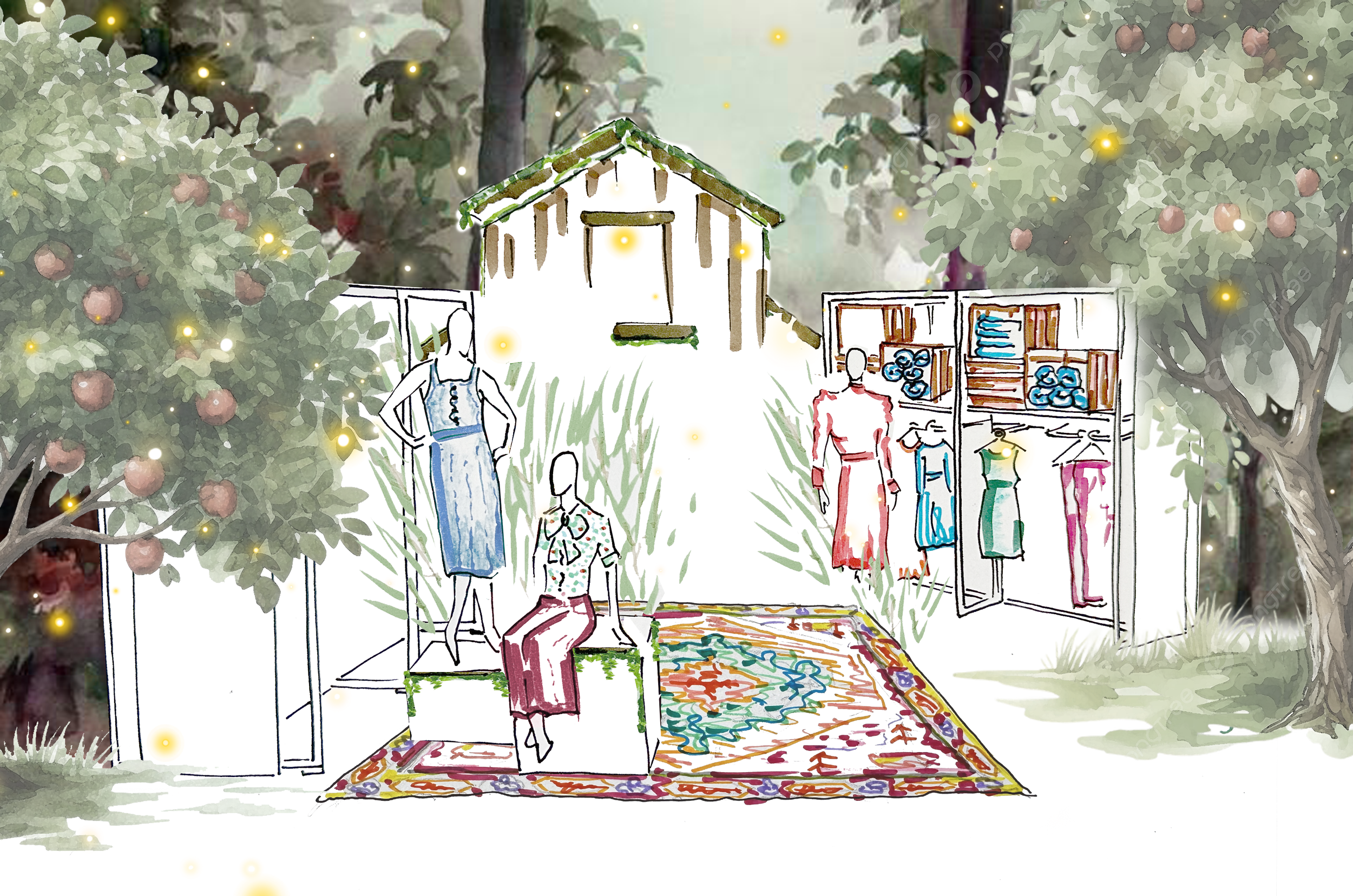
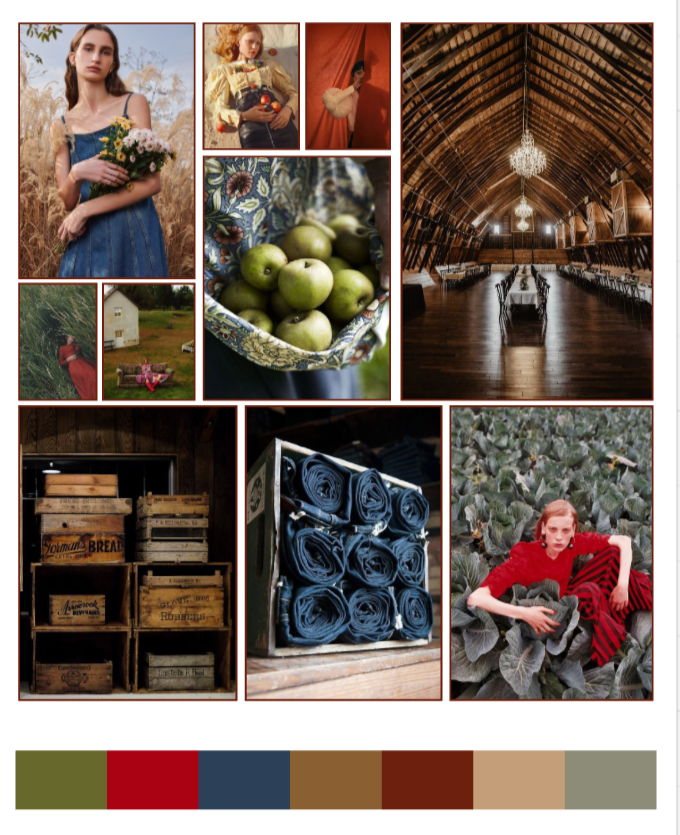
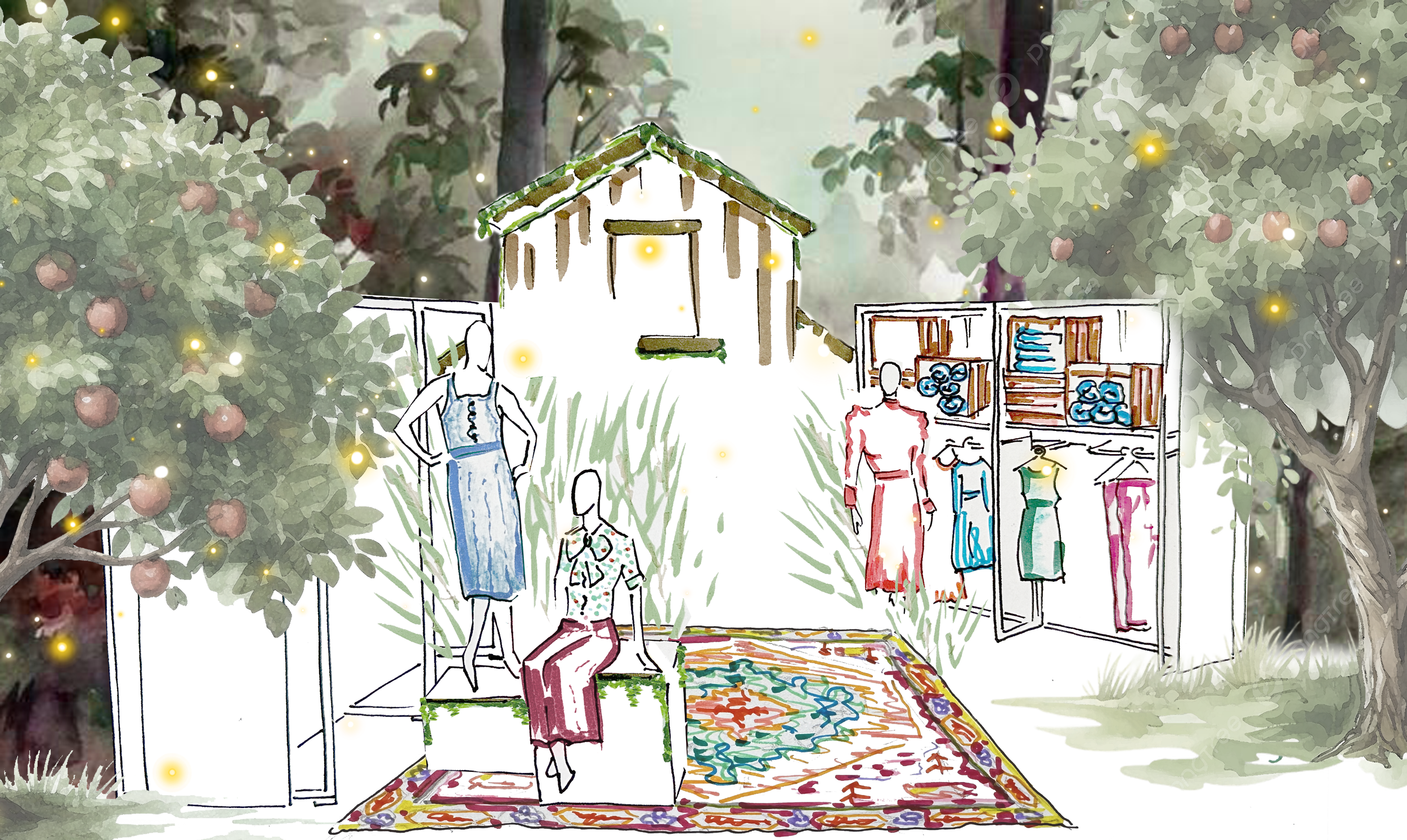
The Fall concept, Enchanted Orchard, draws inspiration from the orchard as a place of gathering, memory-making, and seasonal ritual. It evokes the warmth of shared family traditions while creating opportunities for rich editorial storytelling rooted in the outdoors.
To ground the concept in a sense of place, I referenced the architecture of a barn—offering a subtle nod to orchard culture without leaning into literal or overly rustic interpretations. The goal was to evoke the feeling of harvest season in a refined, modern way.
The material palette centers on denim and reclaimed wood, layered with warm autumnal tones that reflect crisp air, natural textures, and time spent outdoors. These cues informed both product design and in-store expression, from signage and fixtures to visual merchandising techniques that reinforce the seasonal narrative.
Locker Room After Party — Game Day
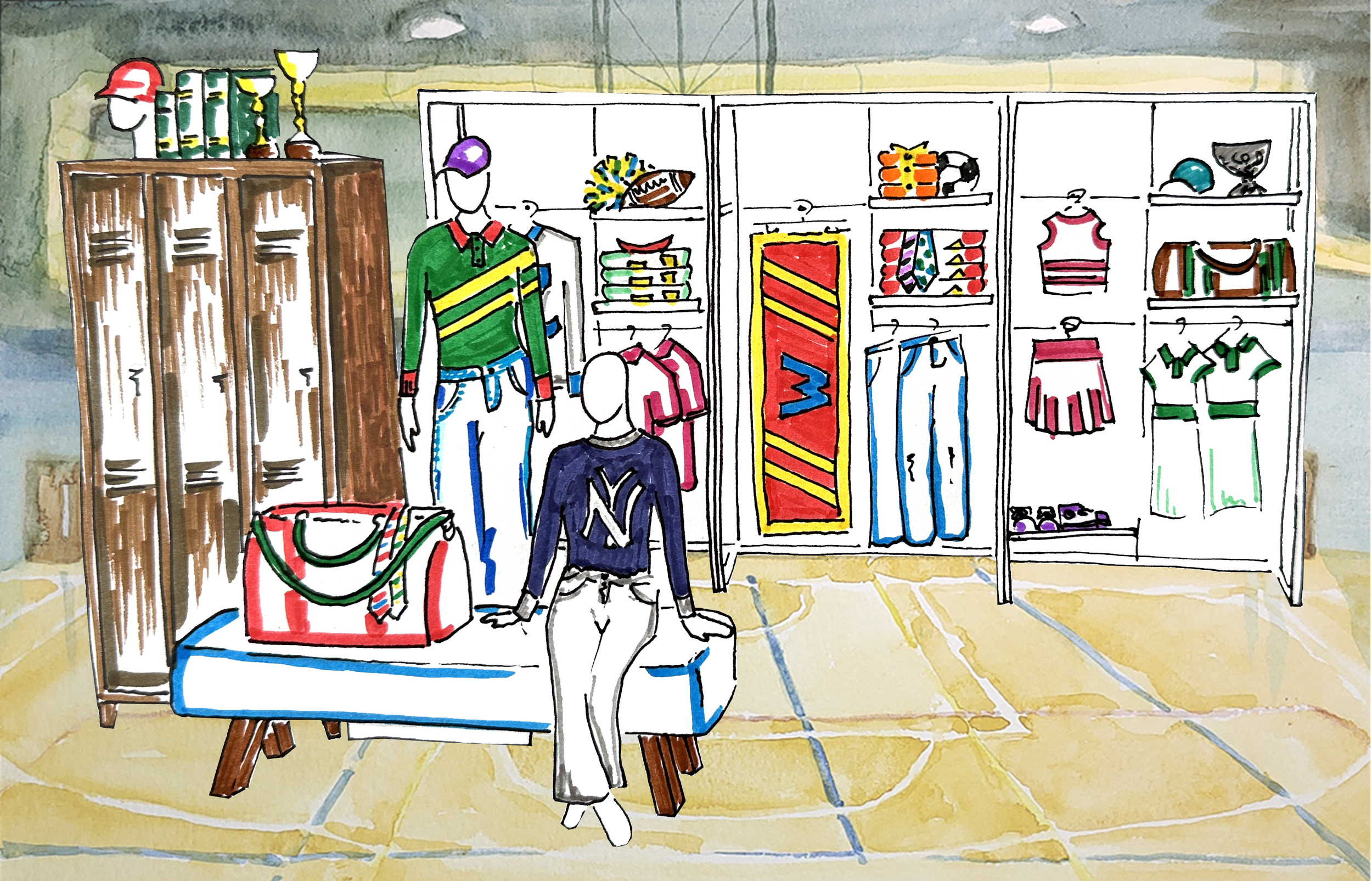
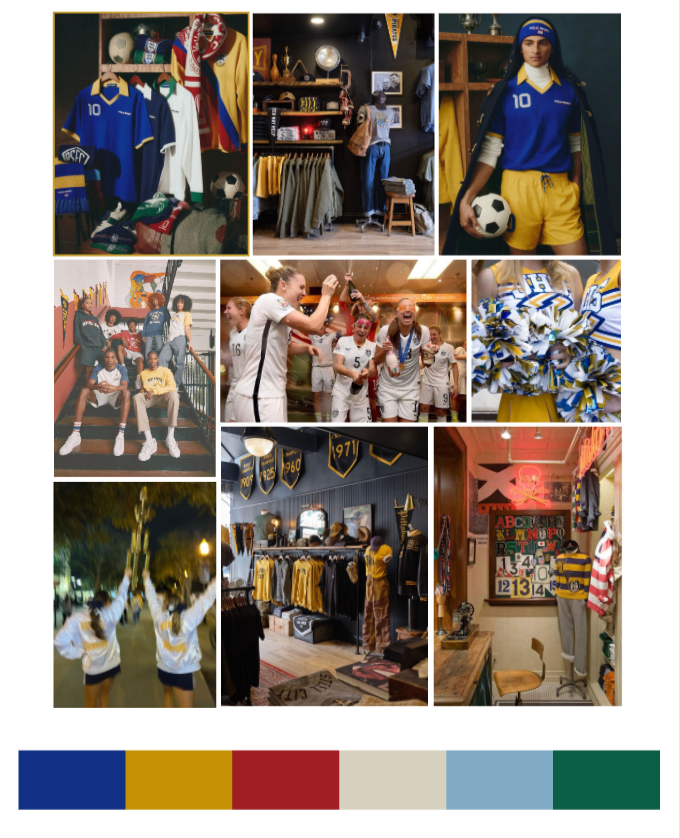
Locker Room After Party captures the celebratory energy that follows the final whistle—when teammates, friends, and fans come together to celebrate. Rather than focusing on the competition itself, the concept centers on the joy, camaraderie, and community that sports culture creates.
The aesthetic draws from classic collegiate and high school athletics, blending nostalgic preppy influences with a modern youth perspective. Inspired by the timeless varsity style of brands like Ralph Lauren, the concept references locker rooms, gymnasiums, and school spirit through props, graphics, and materials.
A bold palette of saturated team colors reflects uniforms, pennants, and vintage athletic memorabilia, creating a vibrant visual language that could extend across apparel categories. The concept encouraged designers to embrace the playful, spirited side of Game Day while creating a cohesive story across product, merchandising, and in-store marketing.
Twilight Mist — Halloween
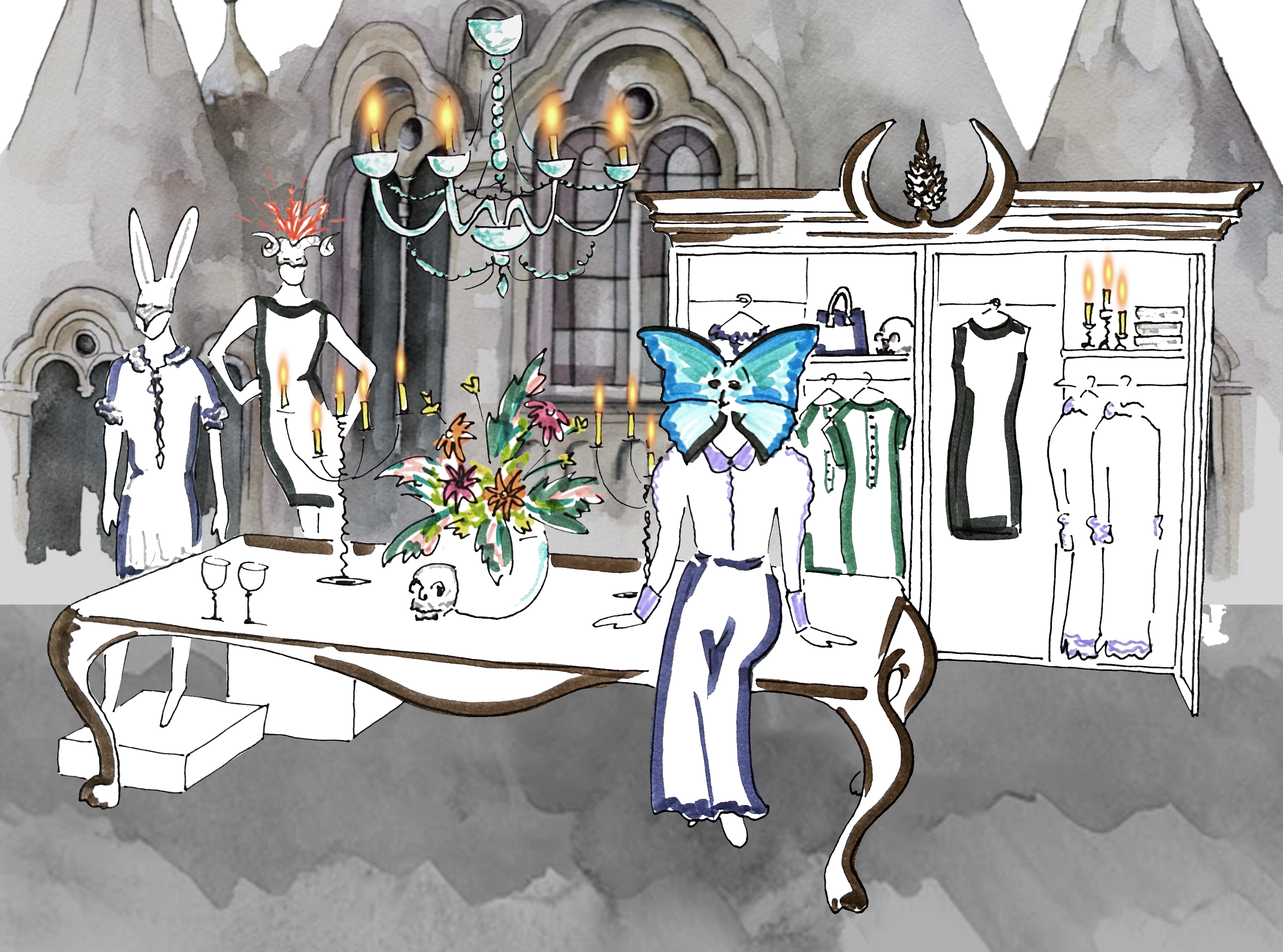
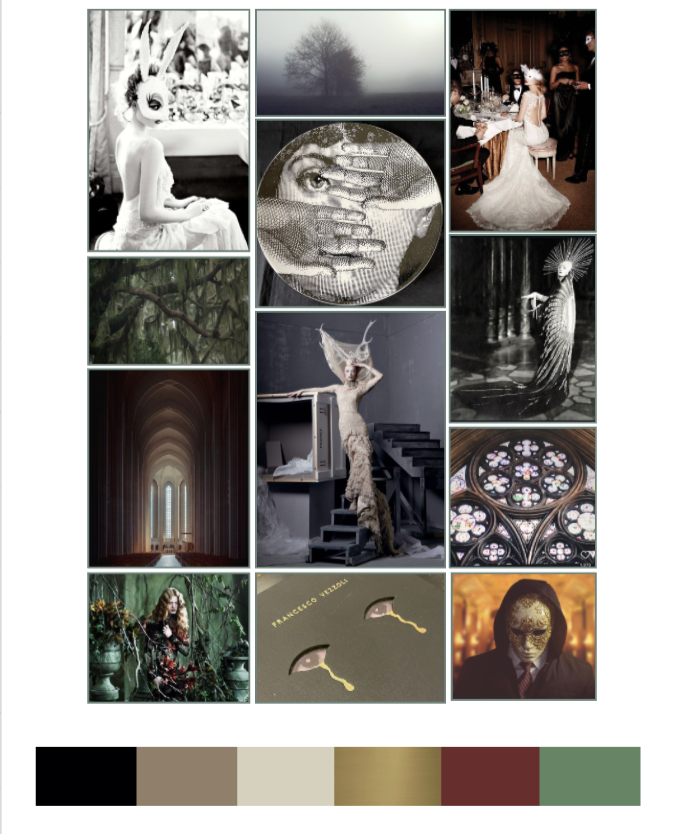
For Halloween, Twilight Mist explores a more elevated and atmospheric interpretation of the holiday—one that could resonate across fashion, kids, and costume without relying solely on traditional costumes.
The concept draws inspiration from the mystery and elegance of masquerade culture, where transformation happens through subtle styling and dramatic accessories. High-fashion references, particularly the romantic darkness and theatrical silhouettes of Alexander McQueen, helped shape the tone.
A moody palette of deep neutrals, antique gold, muted greens, and rich burgundy evokes evening intrigue, while gothic architecture and vintage interiors establish a strong sense of place. The result is a Halloween story centered on elegance, mystery, and transformation—encouraging statement pieces that feel editorial and party-ready, where a mask or accessory completes the look.